
What Is a Mortise Lock and Why Do Fairfield Homes Rely on Them?
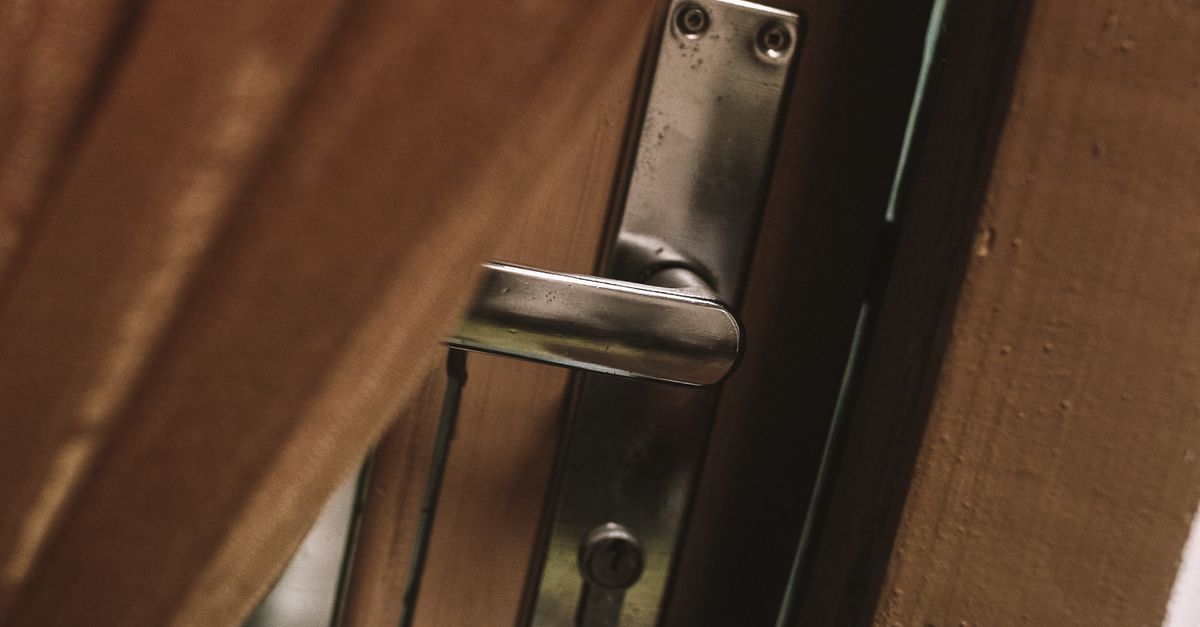
A mortise lock differs from a standard cylindrical knob-and-deadbolt setup in one fundamental way: the entire mechanism — latch bolt, deadbolt cam, internal springs, and strike pocket — is housed inside a rectangular steel or cast-iron case that is mortised, meaning chiseled, directly into the door edge. This makes the lock body structurally part of the door itself rather than an attachment bolted onto it. For security, this is a significant advantage: there is no exposed housing to pry, and the lock body is held in place by the door's own mass. Fairfield's older housing stock, particularly the pre-1970s single-family homes concentrated around Myrtle Avenue and the estates along Hollywood Avenue, was built with mortise lock sets as the default because they were the professional-grade standard of the era. Many of those original lock bodies are still in place today — and still repairable.
The most common symptoms we respond to in Fairfield include a latchbolt that no longer retracts smoothly, a cam follower worn so badly that the lever handle spins without engaging the bolt, a mortise lock cylinder that has been forced or has simply worn out over decades of use, and cases where a previous repair attempt left the case cracked or misaligned. A door that uses a sliding door mortise lock — common on older pocket doors inside Fairfield homes — presents its own geometry challenges, since the case must be extracted laterally rather than pulled forward. Our technicians are experienced with all of these variations and carry the tooling to handle them in a single visit.