Car Key Replacement by Vehicle Brand — What Makes Each One Different
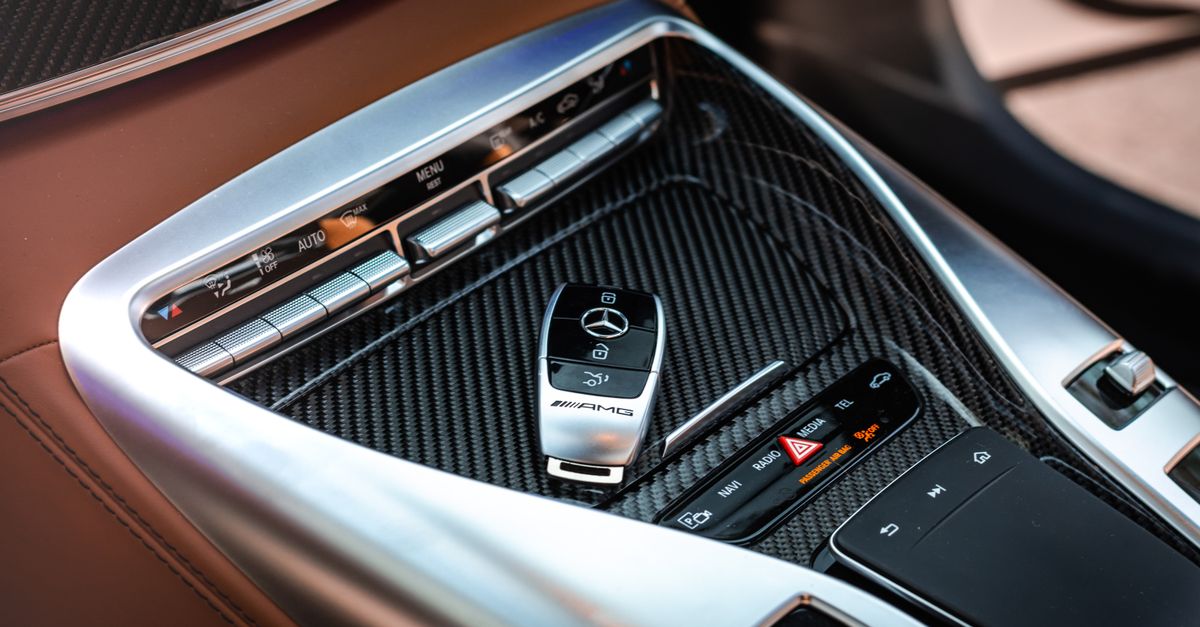
Not every car key is created equal, and the replacement process varies significantly depending on the manufacturer. Ford, GM, and Chrysler vehicles often use proprietary transponder systems that require the new key to be paired directly to the vehicle's PCM before it will crank the engine. Toyota and Honda models — especially from the mid-2000s onward — rely on immobilizer chips that must be cloned or freshly programmed using the vehicle's VIN and security seed data. European brands like BMW, Mercedes-Benz, Audi, and Volkswagen take security further still, with encrypted key-matching protocols and, in many cases, proximity smart keys that communicate across a short-range radio frequency unique to that car. Our technicians stay current with the tools and software updates required to work across this wide range of platforms.
Luxury and near-luxury vehicles — think Lexus, Cadillac, Lincoln, and Volvo — often combine high-security laser-cut or sidewinder blade profiles with advanced remote start integration, meaning the physical key cut AND the electronic pairing must both be executed correctly for everything to function. When you call (973) 828-8143, we ask for your year, make, model, and VIN so we can confirm the correct key blank and programming procedure before we even dispatch. That preparation is what allows us to complete most jobs in a single mobile visit rather than sending you back a second time.