Why Door Knob Lock Replacement Is More Urgent Than It Looks
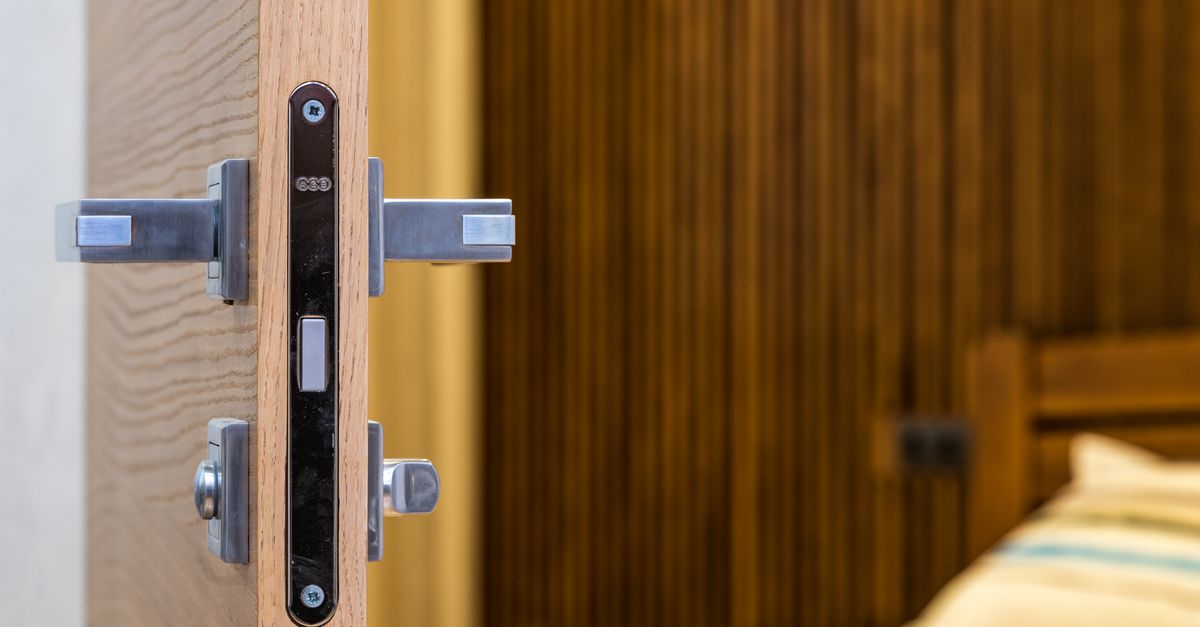
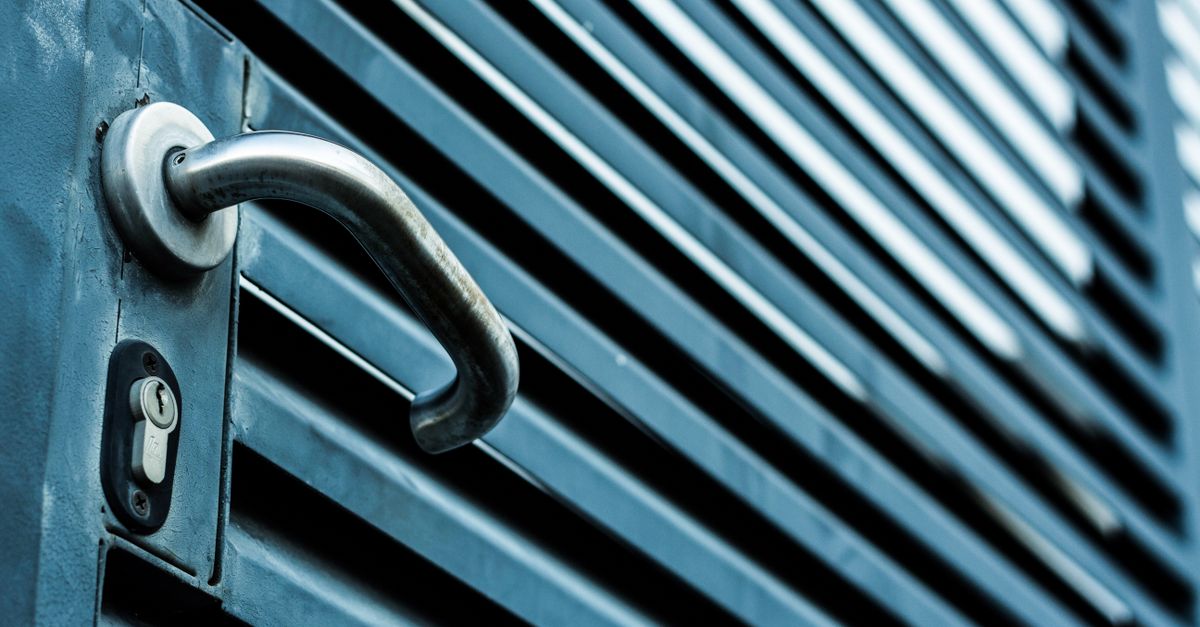
A failing knob lockset signals more than mechanical wear. Over time, the internal cam, spindle, or latch bolt deteriorates to the point where the lock can be manipulated without a key — which is precisely why homeowners sometimes ask how to pick a door knob lock in the first place: they have been locked out by their own failing hardware. What most people do not realize is that a worn mechanism is already partway to being bypassed without any technique at all. If the cylinder turns stiffly, the latch does not retract cleanly, or the knob wobbles on its rose plate, the entire lockset needs to come off and be replaced, not lubricated and ignored.
Fairfield's climate is part of the problem. Freezing winters followed by humid summers cause the metal housings on exterior knobs to expand and contract repeatedly, loosening set screws and degrading the cylinder bore. We frequently see this pattern on homes along Fairfield Road and Commerce Boulevard where freeze-thaw cycles are severe on east-facing and north-facing entry doors. Interior knobs suffer different but equally real failures: pet-household traffic and high-frequency use wear out the spindle connection, while bathroom and bedroom privacy knobs — the classic door knob with lock for bedroom applications — often see their emergency-release pins jam in the unlocked position, defeating the purpose entirely.